

Primers for interior surfaces


Why prime before painting
A primer stabilises the surface, reduces absorption and improves adhesion of the topcoat, so you avoid patchy colour and use less paint.
- Filling: for plasterboard and gypsum plaster.
- Tetradur water based: ecological micronised primer for dusty plaster.
- Tetradur solvent based: deep penetration for old, weathered surfaces.
- Water-based acrylic primer: general-purpose for interior and exterior walls.
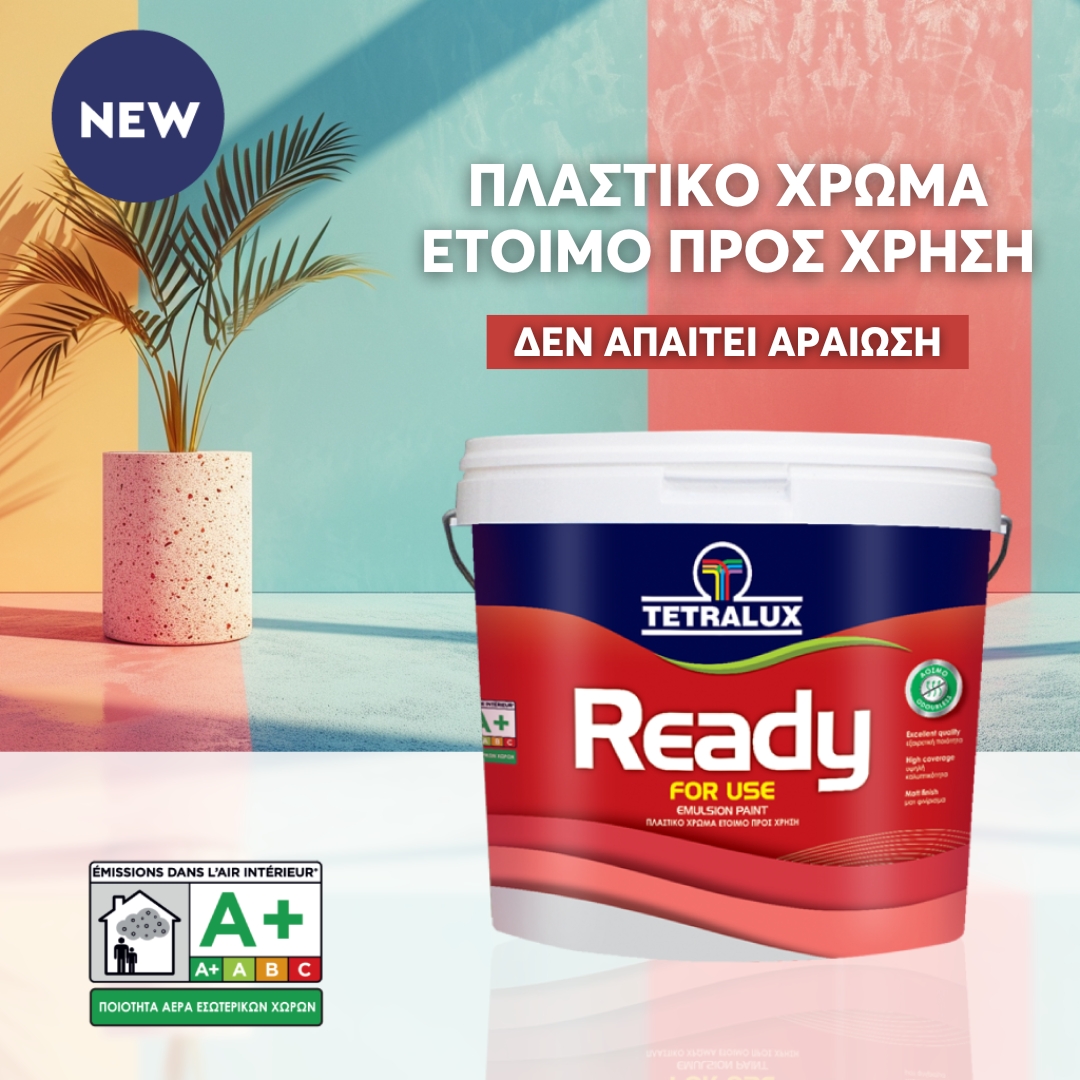
Then continue with an emulsion paint.
Frequently asked questions
When does an interior wall need primer?
Primer is needed on new plaster and plasterboard, skimmed surfaces, dusty walls and when switching paint type. On a sound wall already painted with the same type of paint, a thorough clean is usually enough before repainting.
Which primer suits plasterboard?
Filling is recommended for plasterboard and gypsum plaster. It visually unifies joints and filler with the rest of the surface so that the topcoat dries to an even colour and sheen without shadows.
Water-based or solvent-based primer?
Water-based primer is almost odourless and suits occupied homes. Solvent-based primer penetrates deeper and better consolidates old, porous or weathered surfaces, but it has an odour and needs good ventilation.
How long after priming can I paint?
Water-based primers are touch dry in about an hour, but wait at least three to four hours before the topcoat. Humidity and low temperatures extend this time, so follow the technical data sheet.